
Sleep Quality & Men's Nutrition
Explore evidence-based insights on how proper nutrition impacts your sleep, energy, and overall wellness. Our editorial team shares practical guidance to help you optimize your lifestyle.

The Connection Between Sleep and Metabolism
Quality sleep is essential for maintaining healthy metabolism and energy levels throughout the day. This article explores how sleep deprivation affects hormonal balance, nutrient absorption, and your body's ability to regulate hunger and satiety signals.
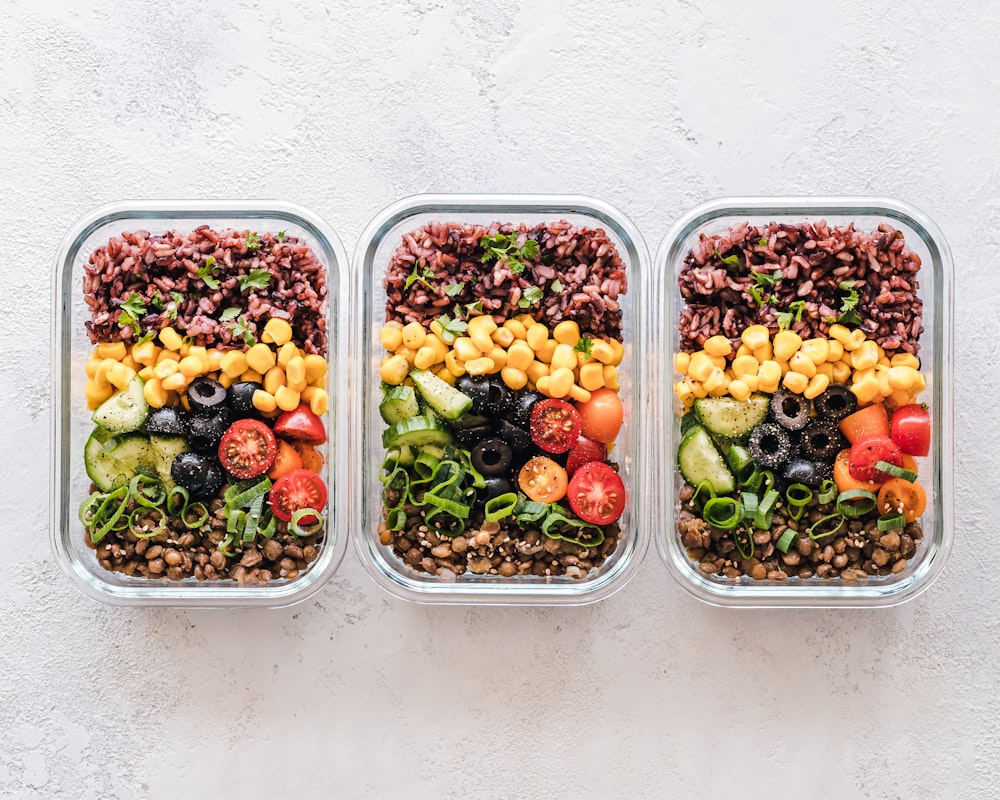
Top Nutrients for Better Sleep Quality
Magnesium, zinc, B vitamins, and omega-3 fatty acids play crucial roles in regulating sleep-wake cycles. Learn which foods contain these essential nutrients and how dietary choices can naturally support deeper, more restorative sleep patterns.

Why Men Need Targeted Nutrition Support
Men's nutritional needs differ from women's in important ways, including higher requirements for certain minerals and amino acids. This comprehensive guide examines the unique nutritional challenges men face and evidence-based strategies for addressing them through dietary optimization.
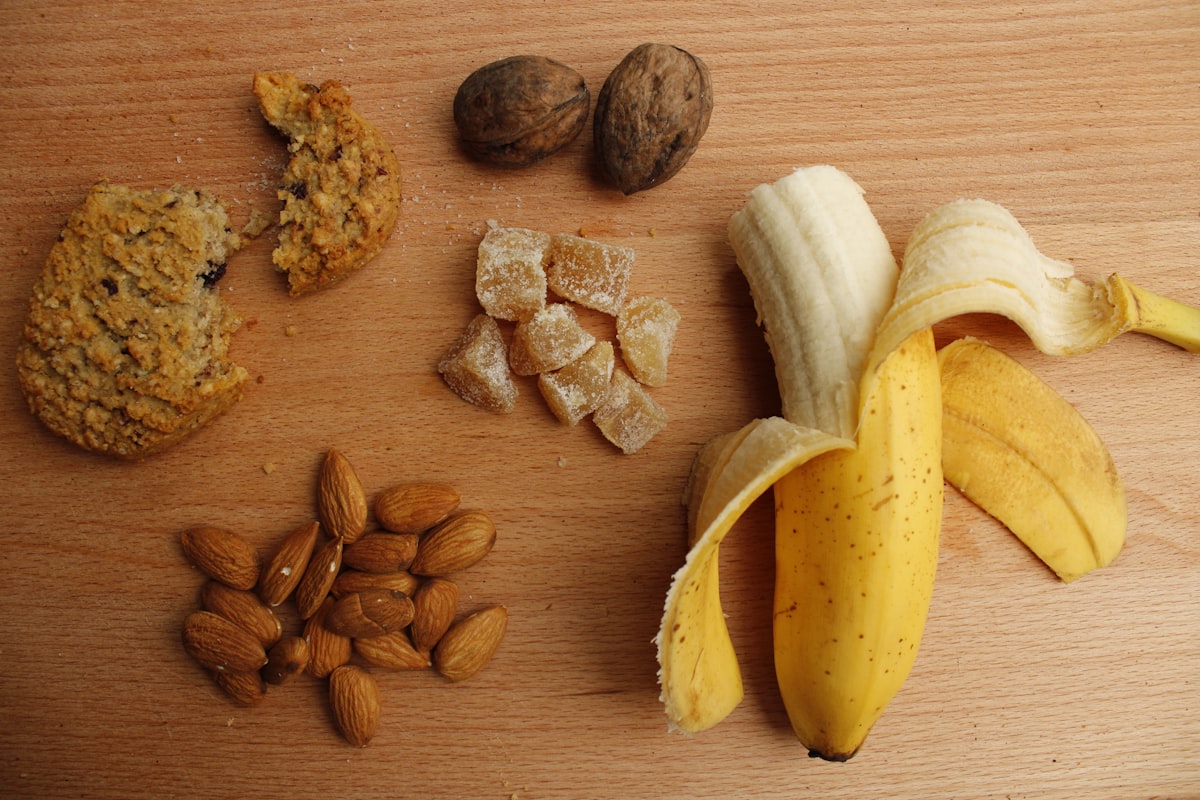
Evening Eating: Foods to Avoid Before Bed
Certain foods can interfere with sleep quality due to their caffeine content, high fat levels, or stimulating properties. Discover which late-night snacks and beverages compromise rest, and learn timing strategies to ensure your nutrition supports your sleep schedule.
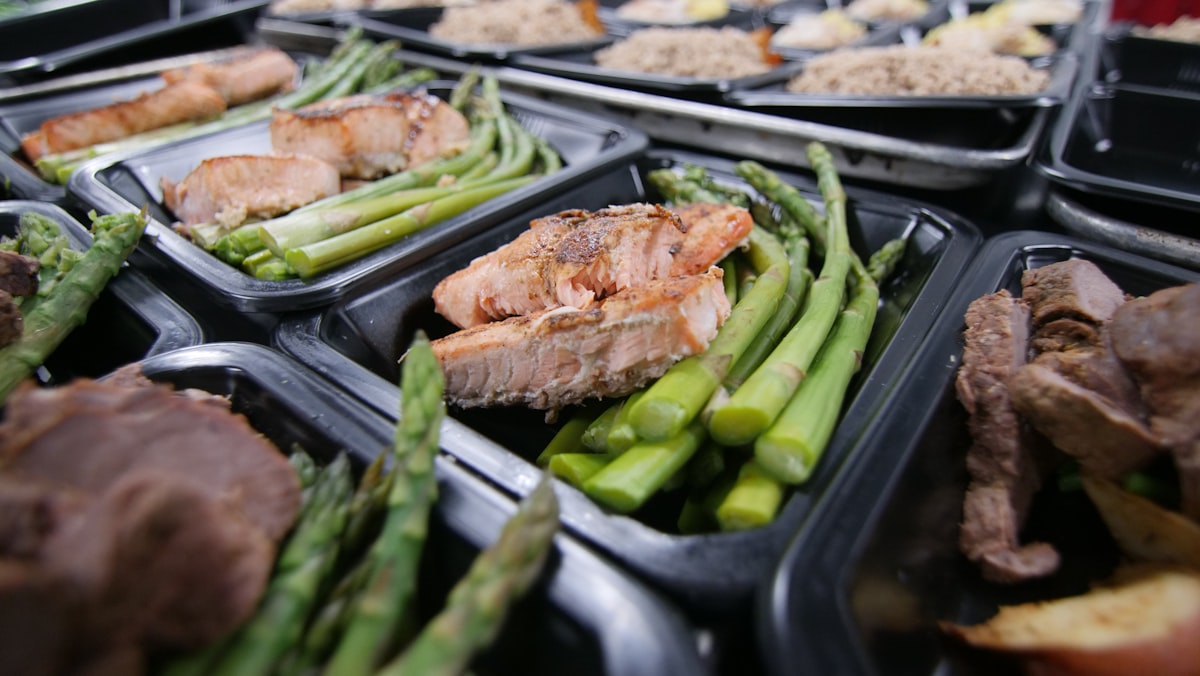
Building a Sustainable Sleep Routine
Consistent sleep schedules, environmental factors, and pre-bed rituals all contribute to better rest. This article provides practical steps for establishing a sustainable routine that aligns nutrition timing with your natural circadian rhythm for optimal recovery.

Protein Timing and Muscle Recovery During Sleep
Sleep is when your body performs most of its muscle repair and growth. Learn how protein distribution throughout the day and strategic pre-sleep nutrition can maximize the anabolic processes that occur during rest, supporting athletic performance and body composition.
The information on this site is for educational purposes only and does not constitute medical advice. Always consult a qualified healthcare professional before making health decisions.
Featured Research
Discover the latest findings and evidence-based information that shapes our understanding of nutrition and sleep.

The Science of Circadian Rhythms
Your body operates on internal 24-hour cycles called circadian rhythms, which regulate sleep, hormone production, and metabolism. Understanding how nutrition, light exposure, and activity timing interact with these rhythms can help you optimize your health and energy levels. When circadian patterns are disrupted, it cascades into sleep quality issues, poor nutrient absorption, and reduced daytime performance.
Read full article
Hydration and Sleep Quality
Proper hydration is fundamental to sleep quality, yet many people underestimate its importance. Dehydration affects brain function, increases nighttime restlessness, and impairs the physical recovery processes that occur during sleep. This comprehensive guide explores optimal hydration timing, how much water men typically need, and why the timing of fluid intake matters more than many realize.
Read full articleStay Informed
Get notified when we publish new research, articles, and wellness insights tailored to men's health and nutrition.
Frequently Asked Questions
Common questions about sleep quality, nutrition, and men's wellness.
Nutrition impacts sleep through multiple pathways: certain nutrients like magnesium and tryptophan help produce neurotransmitters that promote sleep, while others like caffeine and excess sugar can stimulate your nervous system and disrupt rest. Additionally, digestive processes triggered by eating close to bedtime can cause discomfort and reduce sleep depth. Timing, macronutrient balance, and specific food choices all influence how well you sleep.
Most research suggests finishing your main meal 2-3 hours before bed allows adequate digestion while maintaining stable blood sugar and energy levels throughout the night. However, this varies based on individual digestion speed, meal size, and composition. A small, easily digestible snack 30-60 minutes before sleep can support muscle recovery without causing discomfort. Experiment within these guidelines to find what works best for your body.
Sleep-supporting foods include those rich in magnesium (pumpkin seeds, almonds, leafy greens), tryptophan (turkey, chicken, eggs, cheese), complex carbohydrates (oats, brown rice, whole grain bread), and omega-3 fatty acids (fatty fish, walnuts, flax seeds). Herbal teas like chamomile and passionflower have mild sleep-promoting properties. Conversely, avoid or minimize caffeine, alcohol, high-fat foods, and spicy dishes close to bedtime as they can interfere with sleep initiation and quality.
Moderate evening exercise can support sleep, but intense workouts within 2-3 hours of bedtime may elevate body temperature and heart rate, interfering with sleep onset. If you exercise in the evening, allow adequate cooldown time, focus on lighter activities like walking or yoga, and ensure your post-workout nutrition (protein and carbs) is consumed early enough to digest before sleep. Consistency in exercise timing helps your body align physical activity with its natural circadian rhythm.
Individual hydration needs vary based on activity level, climate, and body size, p>Most people should aim for at least 8-10 glasses (64-80 oz) of water daily, though some may need more depending on their lifestyle.
Absolutely! Bodyweight exercises, running, cycling, and home fitness equipment can be just as effective. Consistency and proper nutrition are more important than having a gym membership.
Start with the basics: a quality multivitamin, protein powder (if needed), and omega-3s. Consult a healthcare professional before adding more supplements to your routine.
Most people notice improvements in energy and mood within 2-3 weeks. Visible physical changes typically appear after 4-6 weeks of consistent effort in diet and exercise.
What Our Clients Say
Real transformations from real people
James Mitchell
Fitness Enthusiast
"Nutritionmanpower completely transformed my approach to health. I lost significant weight in 3 months and feel stronger than ever. The guidance is personalized and actually works!"
Sarah Rodriguez
Working Professional
"As someone with a busy schedule, I needed a realistic approach to fitness and nutrition. This platform made it so simple and achievable. Highly recommend!"
David Khan
Athlete & Coach
"The nutrition science is solid, and the meal plans are practical. I've recommended Nutritionmanpower to all my clients. Results speak for themselves!"