
Frequently Asked Questions
Find answers to common questions about sleep quality, men's nutrition, and building sustainable healthy habits for better rest and wellness.
Several key nutrients support quality sleep for men. Magnesium helps regulate sleep-wake cycles and promotes muscle relaxation. Zinc supports immune function and is essential for proper sleep architecture. B vitamins, particularly B6 and B12, aid in melatonin production and circadian rhythm regulation. Calcium works with magnesium to help the brain produce serotonin, which converts to melatonin. Omega-3 fatty acids reduce inflammation that can disrupt sleep. Additionally, amino acids like L-glycine and L-theanine promote relaxation without drowsiness during the day. A balanced diet rich in whole grains, leafy greens, nuts, seeds, and fatty fish provides these nutrients naturally.
Caffeine is a central nervous system stimulant with a half-life of 5-6 hours, meaning half of what you consume remains in your system that long. For example, if you drink 200mg of caffeine at 2 PM, roughly 100mg is still active at 8 PM. This residual caffeine can interfere with sleep onset, reduce sleep depth, and fragment sleep cycles, particularly for men with caffeine sensitivity. The effects vary individually—some sleep well after afternoon coffee, while others remain affected. To protect sleep quality, most sleep experts recommend limiting caffeine intake after 2 PM, or switching to decaffeinated beverages. Pay attention to hidden sources like chocolate, energy drinks, and certain medications.
Eating too close to bedtime can disrupt sleep because your body prioritizes digestion over rest. Most sleep research suggests finishing your main meal 2-3 hours before bed. This timing allows your digestive system to process food while you're still active, and your stomach settles before lying down. Heavy, fatty, or high-protein meals take longer to digest. If you're hungry closer to bedtime, opt for light snacks like a banana with almond butter, Greek yogurt, or a small bowl of oatmeal—these contain tryptophan and carbohydrates that support melatonin production. Spicy foods and large amounts of alcohol near bedtime should also be avoided, as they can cause sleep fragmentation and reduce sleep quality.
The often-cited "8 glasses per day" rule is a simplification. Men's actual fluid needs depend on body weight, activity level, climate, and overall health. A practical approach is the "4-7-8 rule"—drink about 4-7 liters daily, adjusting based on how you feel. A more personalized method: drink enough so your urine is pale yellow rather than dark. Staying hydrated supports sleep quality by maintaining electrolyte balance and supporting metabolic function. However, timing matters: drink most of your water in the morning and afternoon to avoid excessive nighttime bathroom trips that fragment sleep. By early evening, taper fluid intake, especially before bed, to minimize sleep disruptions from urination.
Protein is crucial for both sleep and physical recovery. It provides amino acids needed to produce neurotransmitters like serotonin and dopamine, which regulate mood and sleep. Adequate protein also supports muscle repair during deep sleep phases, particularly important for men who exercise. The amino acid tryptophan, found in protein-rich foods like turkey, chicken, eggs, and cheese, is a precursor to serotonin and melatonin. However, timing and balance matter: very high protein intake at dinner can delay sleep due to increased digestion workload. Most nutrition experts recommend 0.8-1.0 grams of protein per pound of body weight daily, distributed across meals. For sleep support, include moderate protein at dinner with complex carbohydrates, which help tryptophan reach the brain more effectively.
While alcohol may help you fall asleep faster, it significantly reduces sleep quality. Alcohol suppresses REM sleep, the stage where most dreaming occurs and where cognitive consolidation happens. It also acts as a diuretic, causing increased nighttime urination and sleep fragmentation. As your body metabolizes alcohol, it can cause rebound wakefulness in the second half of the night, leaving you feeling unrefreshed despite seemingly adequate sleep hours. For men, this metabolic disruption is particularly pronounced with higher consumption. Sleep specialists recommend avoiding alcohol 3-4 hours before bed. If you do drink, stick to moderate amounts (one drink for men per day, not before sleep), and prioritize alcohol-free nights for better overall sleep architecture and recovery.
Regular physical activity significantly improves sleep quality, but timing is important. Intense exercise increases body temperature and stimulates the sympathetic nervous system (the "fight or flight" response), which can interfere with sleep if performed too close to bedtime. Most sleep research suggests finishing vigorous exercise 3-4 hours before sleep. Morning or afternoon workouts are ideal, as they promote better sleep at night by expending energy, reducing stress hormones, and supporting circadian rhythm alignment with natural light. Light to moderate activity like walking or stretching in the evening is fine and may even promote relaxation. Aim for 150 minutes of moderate-intensity aerobic activity per week, combined with strength training 2-3 times weekly, for optimal sleep and overall wellness benefits.
Several foods and ingredients can sabotage sleep quality when consumed near bedtime. Spicy foods can cause heartburn and stomach discomfort that disturb sleep. High-fat and fried foods are harder to digest and may cause nighttime reflux. Foods high in added sugars create rapid blood sugar spikes and crashes that fragment sleep and increase nighttime wakefulness. Chocolate and other caffeine-containing foods should be avoided in the afternoon and evening. Processed foods with artificial additives may trigger sleep disturbances. Large meals of any kind close to bedtime overwhelm digestion. Citrus fruits and tomato-based products can trigger acid reflux in some individuals. Instead, focus on whole grains, lean proteins, vegetables, and healthy fats consumed 2-3 hours before sleep for optimal rest.
Chronic stress triggers elevated cortisol and adrenaline levels, which inhibit melatonin production and make it difficult to fall asleep. Stress also impacts nutrition by increasing cravings for comfort foods high in sugar and fat, which can worsen sleep quality. The relationship is bidirectional: poor sleep increases stress sensitivity, creating a vicious cycle. Men under stress often experience appetite dysregulation, either overeating or undereating, leading to nutrient deficiencies that further compromise sleep. Breaking this cycle requires addressing both stress and nutrition holistically. Stress-management techniques like meditation, deep breathing, journaling, and regular exercise help reduce cortisol. Simultaneously, ensuring adequate intake of B vitamins, magnesium, and omega-3s supports nervous system resilience and emotional stability. Prioritizing sleep consistency also reduces stress perception.
Sleep quality directly influences testosterone levels in men. Most testosterone production occurs during deep sleep, particularly REM stages. Men who consistently get poor sleep experience lower testosterone levels, which can affect energy, muscle recovery, mood, and libido. The relationship works both ways: low testosterone can also impair sleep quality and increase sleep fragmentation. Adequate sleep (7-9 hours for most adults) is therefore essential for maintaining healthy testosterone levels naturally. Nutrition supports this process—zinc, vitamin D, magnesium, and adequate overall calories all play roles in testosterone synthesis. Exercise, especially resistance training, also boosts both sleep quality and testosterone when combined with proper recovery. Men experiencing poor sleep or low energy should prioritize sleep hygiene and consistent nutrition before considering other interventions, as these foundational factors often resolve underlying concerns.
Light exposure is the strongest regulator of your circadian rhythm—your internal 24-hour sleep-wake cycle. Natural light in the morning helps set your sleep schedule and boosts alertness. However, blue light from screens (phones, computers, tablets) in the evening suppresses melatonin production, making it harder to fall asleep. Research shows that screen exposure within 1-2 hours of bedtime significantly delays sleep onset. The impact is especially strong for men, as circadian misalignment can disrupt hormone regulation. To optimize light exposure, get bright light exposure in the morning, spend time outdoors during the day, and minimize screen use after sunset or use blue-light filtering glasses or screen filters. If evening screen use is unavoidable for work, enable night mode on devices, dim screen brightness, and maintain distance from screens. These simple adjustments can meaningfully improve sleep latency and overall sleep quality.
Sustainable nutrition habits are built through small, consistent changes rather than dramatic overhauls. Start by identifying your current patterns: track what you eat for a week without judgment, noting when you sleep well versus poorly. Look for patterns—does restaurant food affect your sleep? Does skipping breakfast disrupt your evening? Once you understand your baseline, implement one change at a time, such as adding one additional serving of vegetables daily or moving your last coffee earlier. Give each change 2-3 weeks before adding another. Focus on addition rather than restriction: add a magnesium-rich food rather than cutting out "bad" foods. Meal prep on weekends reduces decision fatigue and ensures sleep-supporting nutrients are available. Track sleep quality alongside nutrition changes to see what works for your body. Remember that sustainable habits stick because they fit your lifestyle—perfection isn't required, consistency is. Work with the rhythm of Indonesian seasons and local food availability to make healthy eating practical and enjoyable long-term.
The information on this site is for educational purposes only and does not constitute medical advice. Always consult a qualified healthcare professional before making health decisions.
Stay Updated
Subscribe to our newsletter for the latest articles on sleep quality, men's nutrition, and wellness insights delivered to your inbox.
Explore More Articles

Sleep Hygiene Essentials
Learn the foundational practices that support quality sleep, from bedroom temperature and darkness to consistent bedtime routines that align with your body's natural rhythms.
Read More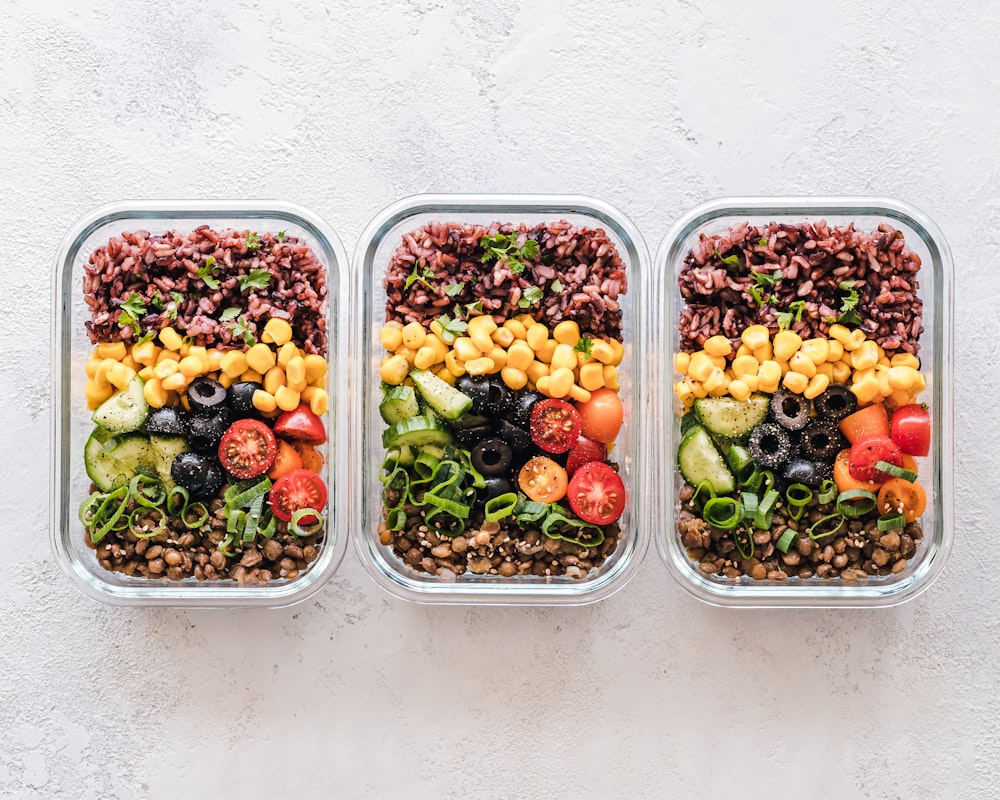
Recovery Through Nutrition
Discover how strategic meal timing, nutrient timing around workouts, and proper recovery nutrition support muscle growth, energy levels, and restorative sleep patterns.
Read More
Managing Stress for Sleep
Explore evidence-based stress reduction techniques, breathing exercises, and lifestyle changes that calm the nervous system and prepare your mind and body for restorative rest.
Read MoreQuestions About Our Content?
Our editorial team is here to help. Send us feedback about articles, suggest topics you'd like to explore, or reach out with questions about sleep quality and nutrition.
Send Us Feedback